The end of the upgrade cycle: why your next phone costs as much as a used car
so lets actually connect this back to why everyone is suddenly so obsessed with loud budgeting and not buying new things. if you want to understand the absolute breaking point of modern consumerism, all you have to do is look at the massive tech price hike happening right now in 2026.
for the last decade, we all knew the golden rule of buying tech: wait for the september keynote. the second apple announces the new model, the old ones drop in price by a hundred bucks. it was the circle of life. but this year, apple just completely threw that rule out the window. they launched the iphone 18 series, and instead of discounting the older phones, they actually executed a massive Apple price increase on the models already sitting on the shelves.
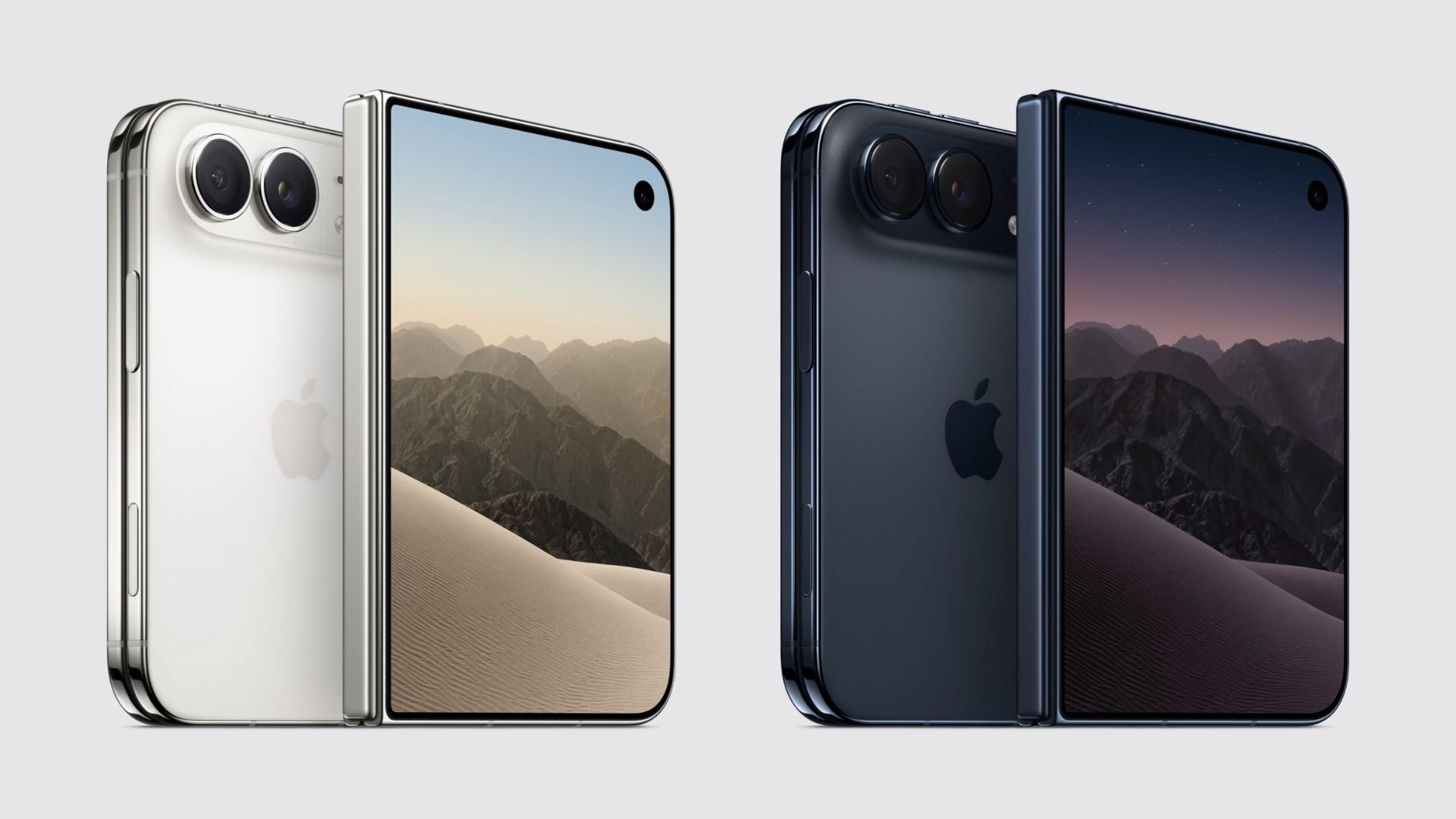
if you walk into a store in india right now, last year's iphone 17 didn't get cheaper it actually got up to 17,000 rupees more expensive. and the brand new iPhone 18 price? the pro version is starting at prices that make your eyes water, pushing past 1.64 lakhs. they even dropped their first foldable, the iphone duo, starting at an unimaginable 3 lakh rupees.
but here is the crazy part is it isnt just apple testing how much money people are willing to hand over. the entire mobile industry is experiencing wild smartphone inflation right now. average smartphone prices have shot up by anywhere from 8% to 35% this year alone across all the major android brands too.
why? you can basically blame the massive AI chip shortage. all the giant silicon producers like samsung and sk hynix have completely shifted their factory capacity to build high-bandwidth memory chips for massive ai data centers, because that is where the real tech money is right now. because every major corporation is in a desperate arms race to build the smartest ai, the supply of standard memory and storage chips for regular smartphones has completely dried up. components cost way more to source, and tech companies are just passing that entire bill straight to the consumer.
and this is exactly why gen z and millennials are completely checking out of the endless upgrade cycle. instead of putting themselves in debt for a phone that costs a fortune, they are driving a massive boom in the refurbished market. people are realizing that a certified pre owned iphone 15 or 16 does the exact same thing as the newest model it scrolls tiktok, it takes great photos, and it already has a usb c port but it costs nearly 40% less than buying new.
the tech companies spent years training us to want a new phone every 12 months, but by pushing the prices into the absolute stratosphere just to fund their ai servers, they might have accidentally cured our tech addiction for good.
if you want to understand exactly why a massive tech price hike is destroying our ability to buy new gadgets, you have to look past the shiny launch events and go straight to the global supply chain data. the reality is that the tech industry has completely shifted its priorities away from you, the everyday consumer, and toward massive server farms.
we are currently living through an unprecedented AI chip shortage. every single major tech corporation on earth is in an absolute panic to build the smartest artificial intelligence, and to do that, they need an ungodly amount of high bandwidth memory chips. companies like samsung and sk hynix did the obvious thing they pivoted their entire factory capacity to build chips for ai data centers. memory prices for premium smartphones have surged, and silicon valley is passing that entire bill directly to your wallet.
this is exactly why we are seeing such aggressive smartphone inflation across the board. the global numbers for 2026 are actually insane experts are projecting that total smartphone shipments will plummet by 12% down to 1.097 billion units, while the average selling price is jumping a massive 27% to nearly $600. the days of getting a decent flagship phone for a reasonable price are completely dead. the sub-$200 budget tier is literally going extinct, projected to shrink from over 40% of the market down to just 25%.
you can see it most clearly with the unprecedented Apple price increase this fall. when they announced the new lineup, people were absolutely floored by the new iPhone 18 price. it isn't just that the pro models are pushing 1.64 lakhs; it is that they actively raised the prices on entry-level models like the iphone 17e. they are essentially pricing the middle class entirely out of the premium ecosystem.
but here is the silver lining to this entire mess. because consumers are refusing to go into credit card debt for a phone that costs as much as a month's rent, we are seeing an absolute explosion in the refurbished market. in 2026, the global used and refurbished phone market is projected to hit anywhere from 69 billion to 78 billion dollars.
people are finally waking up. why would you drain your savings for the newest model when a certified pre-owned phone from two years ago still has a massive oled screen, an incredible camera, and software that will be supported for years? in fact, the mid-priced refurbished tier phones sitting between 200 and 350 dollars now makes up over 54% of the entire secondary market. in places like india, refurbished smartphone volumes already grew 13% year-over-year in the first half of 2026 alone.
by jacking up prices to fund their massive ai ambitions, the big tech companies might have accidentally broken the spell. they pushed the envelope a little too far, and now an entire generation is realizing that holding onto an old phone, or buying a refurbished one, is actually the smartest financial flex you can make.
what is truly fascinating about this entire situation is that the massive tech price hike might actually be the greatest accidental victory for the environment in the history of consumer electronics. by making new phones completely unaffordable, the tech giants are unintentionally forcing millions of people to adopt sustainable habits.
to understand the scale of the problem, you have to look at the global e waste crisis. according to the un global e waste monitor, the world generated a staggering 62 million metric tonnes of electronic waste recently, with smartphones being one of the absolute fastest-growing contributors to that toxic pile. for years, companies tried to solve this with weak recycling programs, but consumer behavior never changed because upgrading was cheap and easy.
but the moment the AI chip shortage hit and component costs skyrocketed, consumer behavior flipped overnight. when people saw the astronomical iPhone 18 price, the sticker shock completely broke the endless upgrade loop. that unprecedented Apple price increase, combined with widespread smartphone inflation across android flagships, literally drove millions of buyers straight into the secondary market.
the numbers for 2026 are staggering. the global refurbished market for smartphones is now projected to hit roughly 69.6 billion dollars this year. we are talking about hundreds of millions of used devices being sold globally instead of ending up in a landfill. in fact, recent consumer surveys show that over 40% of smartphone buyers in developing countries are now actively choosing refurbished models, and a massive 52% of those buyers cite environmental sustainability as a primary deciding factor alongside the price savings.
this isn't just a tiny niche of tech nerds buying used phones on ebay anymore. the refurbished market has become a highly sophisticated, multi billion dollar industry. companies are using ai powered diagnostic software that can plug into a used phone, completely wipe the data, test the battery health, and grade the hardware in under two minutes. because the testing is so reliable, mid tier refurbished phones those sitting in the $200 to $500 range now capture the largest share of the secondary market. buyers trust the warranties, and they realize a two year old flagship phone is still a phenomenal piece of technology.
so while silicon valley is entirely focused on hoarding memory chips and driving up the tech price hike to build their massive ai servers, they have inadvertently sparked a massive circular economy. by pricing the middle class out of the new phone market, they forced consumers to stop treating smartphones like disposable fashion and start treating them like durable goods.
How the tech price hike and refurbished market are accidentally solving the e waste crisis.
to understand the scale of the problem, you have to look at the global e waste crisis. smartphones alone contribute to roughly 12% of all global e-waste. manufacturing a single new smartphone requires mining about 6 to 7 kilograms of high-grade gold ore and using dozens of rare earth metals. for years, companies tried to solve this with weak recycling programs, but consumer behavior never changed because upgrading was cheap and easy. experts even predicted that e-waste would grow by 40% this decade while recycling rates would lag way behind at just 20%.
but the moment the AI chip shortage hit and component costs skyrocketed, consumer behavior flipped overnight. the global average selling price for a new smartphone is projected to hit a massive $565 in 2026, which is a staggering 21% jump from last year. when people saw the astronomical iPhone 18 price, the sticker shock completely broke the endless upgrade loop. that unprecedented Apple price increase, combined with widespread smartphone inflation across android flagships, literally drove millions of buyers straight into the secondary market.
the numbers for 2026 are staggering. the global refurbished market for used mobile phones is projected to hit $51.8 billion this year. we are talking about hundreds of millions of used devices being sold globally instead of ending up in a landfill.
this isn't just a tiny niche of tech nerds buying used phones on ebay anymore. the refurbished market has become a highly sophisticated, multi-billion-dollar industry. companies are using ai-powered diagnostic software that can plug into a used phone, completely wipe the data, test the battery health, and grade the hardware in under two minutes. because the testing is so reliable, mid-tier refurbished phones those sitting in the $200 to $500 range now capture the absolute largest share of the secondary market at over 45%. buyers trust the warranties, and they realize a two-year-old flagship phone is still a phenomenal piece of technology.
so while silicon valley is entirely focused on hoarding memory chips and driving up the tech price hike to build their massive ai servers, they have inadvertently sparked a massive circular economy. by pricing the middle class out of the new phone market, they forced consumers to stop treating smartphones like disposable fashion and start treating them like durable goods.
what is truly fascinating about this entire situation is that the massive tech price hike might actually be the greatest accidental victory for the environment in the history of consumer electronics. by making new phones completely unaffordable, the tech giants are unintentionally forcing millions of people to adopt sustainable habits.
to understand the scale of the problem, you have to look at the global e-waste crisis. smartphones alone contribute to roughly 12% of all global e-waste. manufacturing a single new smartphone requires mining about 6 to 7 kilograms of high-grade gold ore and using dozens of rare earth metals. for years, companies tried to solve this with weak recycling programs, but consumer behavior never changed because upgrading was cheap and easy.
but the moment the AI chip shortage hit and component costs skyrocketed, consumer behavior flipped overnight. when people saw the astronomical iPhone 18 price, the sticker shock completely broke the endless upgrade loop. that unprecedented Apple price increase, combined with widespread smartphone inflation across android flagships, literally drove millions of buyers straight into the secondary market.
the numbers for 2026 are staggering. the global refurbished market for used mobile phones is projected to hit roughly $78.6 billion this year. we are talking about hundreds of millions of used devices being sold globally instead of ending up in a landfill. in places like india, refurbished smartphone volumes actually grew by 13% in the first half of 2026 alone, even while new smartphone sales completely tanked.
this isn't just a tiny niche of tech nerds buying used phones on ebay anymore. the refurbished market has become a highly sophisticated industry. companies are using ai-powered diagnostic software that can plug into a used phone, completely wipe the data, test the battery health, and grade the hardware in under two minutes. because the testing is so reliable, mid-tier refurbished phones those sitting in the $200 to $350 range now capture the absolute largest share of the secondary market at over 54%. buyers trust the warranties, and they realize a two-year-old flagship phone is still a phenomenal piece of technology.
so while silicon valley is entirely focused on hoarding memory chips and driving up the tech price hike to build their massive ai servers, they have inadvertently sparked a massive circular economy. by pricing the middle class out of the new phone market, they forced consumers to stop treating smartphones like disposable fashion and start treating them like durable goods.